
Call Us: 407-612-2548
Call Us: 407-612-2548
Sexually transmitted infections (STIs) pose a significant challenge to men's health, but tailored treatment options are available to effectively manage and combat these infections. Understanding the unique health needs of men is crucial, as symptoms can often go unnoticed or be misattributed to other conditions.
Regular screenings, open communication with healthcare providers, and access to resources can empower men to take charge of their sexual health. By prioritizing awareness and treatment, we can reduce the stigma surrounding STIs and encourage men to seek help promptly, ensuring a healthier future for all.
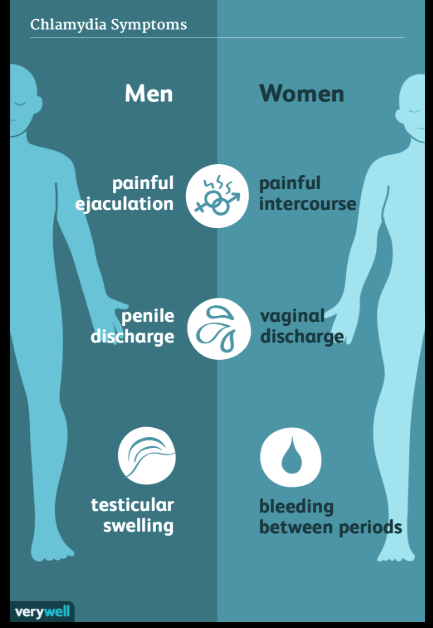

Sexually transmitted infections (STIs) can range from common bacterial infections like
chlamydia and gonorrhea to viral infections such as herpes, HPV, and HIV. At Elevate
Men's Health 365, we offer comprehensive testing and treatment for a wide range of
STIs, using the latest medical advancements to ensure accurate diagnoses and effective
care. We provide discreet, compassionate support and custom treatment plans—from
antibiotics for bacterial infections to antiviral therapies and ongoing management for
chronic conditions. Whether you’re dealing with symptoms or seeking preventative care,
we’re here to help you protect your health and well-being with expert, confidential
service.
Syphilis
Syphilis is a sexually transmitted infection (STI) that’s treatable with medication.
Without treatment, syphilis causes serious health problems. It can permanently damage
your heart, brain, muscles, bones and eyes. To reduce your risk of infection, always use a
condom during sexual intercourse.
Trichomoniasis
Trichomoniasis (trich) is a common, but curable, sexually transmitted infection (STI). A
parasite causes trich. Most people who have trich don’t have symptoms. Treatment for
trich involves taking antibiotics.

HIV & AIDS
Human immunodeficiency virus (HIV) is the virus that causes acquired immune
deficiency syndrome (AIDS). HIV weakens your immune system by destroying your T-
cells until you are unable to fight off even minor illnesses. You can have HIV without any
symptoms. Getting tested and starting treatment early gives you the best chance of
living a long life.
HPV (Human Papillomavirus)
More than 30 strains of the human papillomavirus (HPV) can affect your genitals. These
include harmless forms of HPV, like those that cause genital warts. Only some types of
HPV are “high risk” because they can progress to cancer. You can take preventive mea
sures, including the HPV vaccine and getting regular screenings, to reduce your risk.
Herpes Simplex Virus (HSV)
Herpes simplex virus (HSV) causes oral herpes, genital herpes and infections in other ar
eas of your body. Fluid-filled blisters on your skin are common symptoms, but many
people have no symptoms at all. A simple blood test can tell you if you have HSV in your
body. Antiviral medications can treat single outbreaks or help you manage HSV long-
term.
We need your consent to load the translations
We use a third-party service to translate the website content that may collect data about your activity. Please review the details in the privacy policy and accept the service to view the translations.